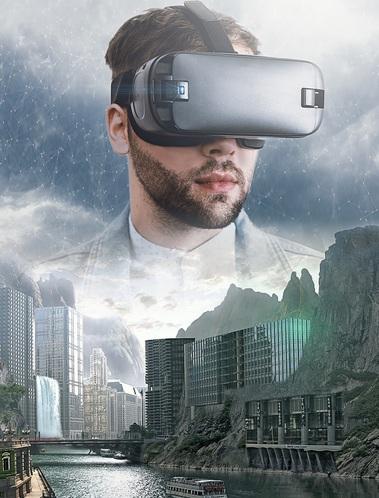
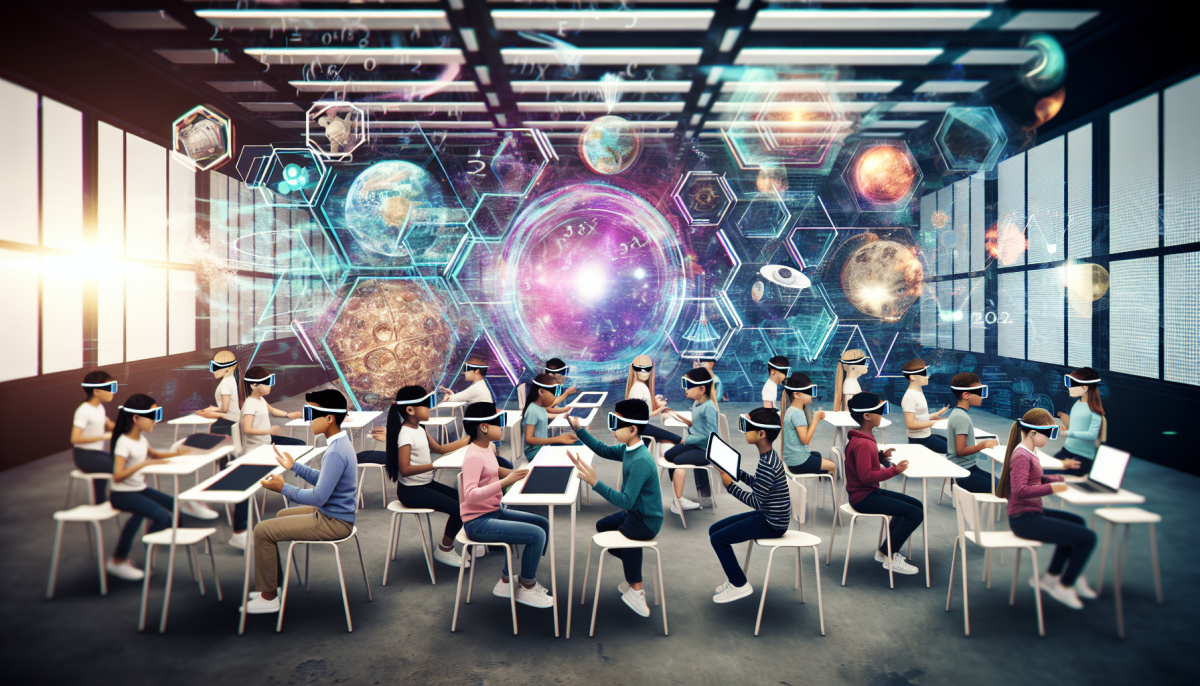
Augmented reality (AR) is changing the way we learn. Imagine reading about the solar system and suddenly seeing 3D planets zooming around your room. This hands-on experience makes the lessons stick in a way traditional methods can’t. Kids and adults alike find themselves more engaged when they can interact with what they’re learning.
With AR, students can step into the content. For example, learning anatomy becomes a breeze when learners can explore a virtual heart, understanding how it pumps blood. They can rotate it, zoom in, and see everything in detail. This kind of immediate feedback keeps curiosity high and makes studying much less of a chore.
Teachers love using AR because it brings subjects to life. Imagine history classes where students walk through ancient civilizations or science classes exploring the microscopic world. The possibilities are endless! Students aren’t just passively absorbing information; they’re experiencing it. This keeps them interested and helps them remember what they’ve learned.
Plus, AR is super accessible. A simple app on a tablet or smartphone can transform any lesson into an adventure. No fancy equipment needed. It levels the playing field, letting everyone dive into the same exciting experience, regardless of their background or learning style. When learning feels like fun, everyone wins!
Engaging Students with Interactive Experiences
Augmented reality is changing the way students interact with learning materials. Imagine a classroom where lessons come to life right in front of you. With AR, students can explore the human body, revisit historical events, or even take a trip through space without leaving their desks. It’s a whole new world of interactive experiences!
Let’s talk about how this works in real life. Teachers can use AR apps to make complex topics easier to grasp. For example, when studying biology, students can point their devices at a textbook image and watch a 3D model of a heart pop up. They can rotate it, zoom in, and see how blood flows. This hands-on approach helps kids remember what they've learned much better than any textbook could.
Plus, AR encourages collaboration. Groups can work together on projects using AR tools, allowing them to share ideas as they learn. This teamwork not only makes learning more engaging but also builds important social skills. Students get excited about learning when they can see how subjects connect to the real world.
With all this tech, it's easier for students to stay focused. Instead of zoning out, they’re exploring and discovering. AR turns something that could be boring into a thrilling adventure. It's like stepping into a video game but with real educational value. This engagement can lead to better understanding and retention of information.
In short, augmented reality isn’t just a cool add-on; it’s a game-changer for education. It creates dynamic, interactive experiences that captivate students and make learning a blast. Every lesson can be an adventure, and that's what today's learners need!
Transforming Traditional Classrooms Today
Imagine stepping into a classroom where learning comes to life! With augmented reality, students can dive into interactive lessons that spark their curiosity. Instead of just reading from a textbook, they can explore 3D models, walk through historical events, and visualize complex scientific concepts right in front of their eyes. It’s not just engaging; it makes the learning experience memorable.
Teachers love this technology because it helps them cater to different learning styles. Some kids grasp information better through visuals, while others need hands-on experiences. Augmented reality fills in those gaps effortlessly. It keeps students interested and motivated, making it easier for them to absorb information.
And let’s talk about accessibility. Augmented reality can help break down barriers in learning. Students with different needs can benefit from tailored experiences. This technology opens doors for everyone, allowing them to participate in lessons actively and at their own pace.
No more boring lectures! With AR, lessons become mini-adventures. Picture this: students in a biology class can see cells in action, dissecting them virtually without mess. It’s all about making education fun and effective. Plus, it’s a way to prepare students for a tech-savvy world, giving them skills they'll use in the future.
Real World Applications of AR in Schools
Augmented reality (AR) is changing the game in schools, making learning more interactive and fun. Imagine students exploring historical landmarks or diving into the ocean right from their classroom. AR brings these experiences to life, helping kids understand complex subjects in ways that are visually engaging.
One cool example is using AR for science lessons. Students can look at 3D models of the human body, allowing them to see organs and systems up close. They can even interact with these models to learn how everything works together. It’s way better than just looking at pictures in a textbook!
Language learning also benefits greatly from AR! Apps let students practice vocabulary with immersive experiences. They can, for instance, point their device at an object and instantly see the name and pronunciation in a different language. This not only builds vocabulary but also boosts their confidence in using new languages.
And let’s not forget about math! AR tools can animate math problems in real time, making them easier to understand. Imagine students visualizing geometric shapes and seeing how they transform! This hands-on approach helps them grasp concepts they might struggle with otherwise.
Teachers love AR too. It saves time and makes lesson planning easier. They can quickly find resources and create interactive lessons that keep students engaged. AR tools help make learning feel like a game, encouraging collaboration and creativity in the classroom.