Augmented Reality Marketing is a game-changer for brands looking to engage customers in a fresh way. Imagine letting your audience try products without leaving their homes. With AR, shoppers can see how furniture looks in their living room or virtually try on clothes. It brings a fun, interactive element that makes shopping way more exciting.
One of the biggest perks of Augmented Reality Marketing is its ability to boost customer engagement. When users can interact with a product through AR, they're more likely to remember it. This not only increases their interest but also sparks conversations. And we all know that word of mouth is powerful!
Another benefit is that Augmented Reality Marketing can improve conversion rates. When customers can visualize a product in their space, it takes away a lot of the uncertainty of online shopping. This leads to fewer returns and happier customers because they've made more informed decisions.
Plus, using Augmented Reality Marketing differentiates your brand from the competition. Not everyone is using AR yet, so embracing this technology shows you're innovative and forward-thinking. Customers love to share unique experiences, and an AR feature can give them a cool story to tell.
How to Create Engaging AR Campaigns
Creating engaging AR campaigns isn’t just about using cool tech; it’s about connecting with your audience in fun and memorable ways. Start by identifying your goals. Do you want to boost brand awareness, promote a new product, or drive traffic to your website? Knowing what you want to achieve will guide your campaign.
Next, think about your target audience. What are their interests? What problems do they need solutions for? Consider what type of experience will resonate with them. Use relatable themes or popular trends. This makes your Augmented Reality Marketing feel less like a gimmick and more like an experience they actually want to enjoy.
Now, let’s talk about content. Your AR experience should be interactive and visually appealing. Use vibrant visuals, catchy phrases, and engaging narratives. For example, if you’re launching a new shoe line, allow users to see how the shoes look on them through their cameras. This not only shows your product but makes the shopping experience fun!
Finally, always encourage user feedback. Ask for reviews or suggestions after they try your AR experience. This way, you can improve future campaigns and engage your audience even further. Remember, the heart of Augmented Reality Marketing is making every interaction memorable. Keep it fresh, fun, and focused on what your audience really wants!
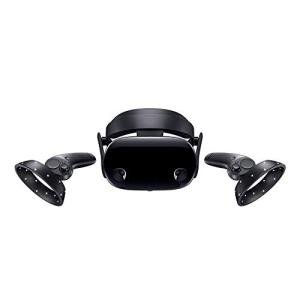
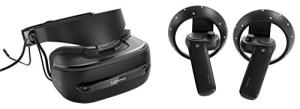
SAMSUNG HMD Odyssey+ Mixed Reality Headset with Controllers
Experience immersive gaming and stunning visuals with the Samsung HMD Odyssey Plus and its easy-to-use controllers
Product information
$499.99 $196.32
Product Review Score
4.29 out of 5 stars
46 reviewsProduct links
Tools for Effective AR Content Creation
Creating eye-catching AR content doesn’t have to be complicated. There are some fantastic tools out there that make it easier for anyone to jump into the world of Augmented Reality Marketing. Let’s look at a few that can help you stand out.
First up, Blippar. This intuitive platform lets you design your own AR experiences without needing to code. You can create interactive stickers, 3D models, and even animations. It’s super user-friendly, so you can focus on bringing your creative ideas to life rather than getting stuck on technical details.
Then there's ZapWorks. This tool is great for brands looking to go all-in with their Augmented Reality Marketing. ZapWorks gives you a comprehensive way to create, manage, and share AR content. Whether it’s print ads, social media posts, or in-store displays, it’s all about making your audience engage with your brand in a fun and interactive way.
Don’t forget about Spark AR from Facebook. If you want to create AR effects for Instagram or Facebook, this is your go-to tool. It allows you to build 3D effects and filters that can go viral. With so many users on these platforms, your AR experience could become the next big trend.
Finally, ARKit and ARCore are fantastic if you’re a developer or ready to dive into some coding. ARKit works on iOS while ARCore is for Android. These tools allow for more complex and custom AR experiences, so if you really want to push the envelope with your Augmented Reality Marketing, check them out!
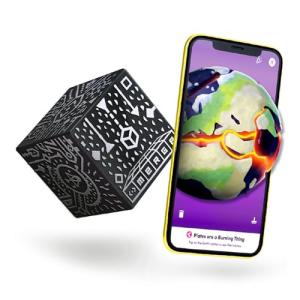
Merge Cube - Interactive Augmented Reality Learning Tool
Explore, learn, and have fun with this hands-on AR tool that makes learning exciting and engaging
Product information
$29.99
Product Review Score
4.26 out of 5 stars
44 reviewsProduct links
Measuring Success in AR Marketing Strategies
When it comes to Augmented Reality Marketing, measuring success can feel tricky at first. But it doesn’t have to be! You want to keep your eyes on a few key metrics to figure out how well your campaigns are doing. Think about engagement rates, conversion rates, and user feedback. These will give you a solid picture of how your AR content is resonating with your audience.
Engagement rates are huge! Are people actually interacting with your AR experience? Look at metrics like session duration and how many people return to your content. A higher rate means your AR marketing is capturing attention and keeping it. This is a sign you’re on the right track.
Don’t forget about conversion rates. If you’re using AR to drive sales or leads, track how many users make a purchase or sign up after experiencing your AR content. This is a direct indicator of whether your efforts are paying off. Seeing a bump in sales? That’s a big win!
User feedback is golden. Encourage your audience to leave reviews or give opinions on their experiences. What did they love? What could use some tweaking? This insight can shape your future Augmented Reality Marketing strategies and help you create even better content that really speaks to your audience's needs.