Virtual Reality for Training is changing the way we learn. Imagine stepping into a digital world where you can practice skills without any real-world consequences. This technology makes it possible to simulate scenarios that are hard to recreate in a classroom setting. Whether it's flying a plane, performing surgery, or managing emergency situations, VR environments offer hands-on experience that's safe and effective.
One of the biggest benefits of Virtual Reality for Training is the immersive experience it provides. Instead of sitting through lectures or reading manuals, learners can dive right into the action. They can interact with the environment and tools, making the entire process much more engaging. This kind of active learning helps improve retention rates. People remember what they do better than what they hear or read.
Another advantage is the ability to customize training programs to fit specific needs. Organizations can create tailored experiences that focus on their unique challenges. If a company wants to train employees on customer service skills, they can design scenarios that mimic real customer interactions. This personalized approach allows for targeted practice that can directly impact performance on the job.
Plus, with Virtual Reality for Training, it becomes easier to track progress. Trainers can monitor how learners are doing in real-time and adjust the program as needed. This feedback loop is invaluable. It means that students can improve quickly and easily, ensuring they are well-prepared when it’s time to step into the real world.
Benefits of VR in Skill Development
Virtual Reality for Training offers a whole new way to learn and build skills. Imagine stepping into a virtual world where you can practice without any real-life consequences. It's like having a safe playground where you can mess up and learn from mistakes, which is super important when you're picking up new skills.
One of the biggest benefits is immersion. When you're inside a virtual environment, it feels like you're really there. This kind of engagement can help you remember what you've learned better, making your training stick. Plus, the interactive elements keep things interesting! You're not just sitting in a classroom; you're actively participating in your own learning journey.
Another cool thing about Virtual Reality for Training is the ability to simulate real-life scenarios. Whether it's practicing surgery, flying a plane, or even handling difficult conversations, VR lets you dive into realistic situations. You can repeat scenarios as many times as you need, allowing you to build confidence and refine your skills.
Not to mention, VR can be tailored to fit different learning styles. Some people learn best through visuals, while others need hands-on experience. With Virtual Reality for Training, you can mix both! This variety makes it easier for everyone to grasp tough concepts and master new abilities, no matter their background.
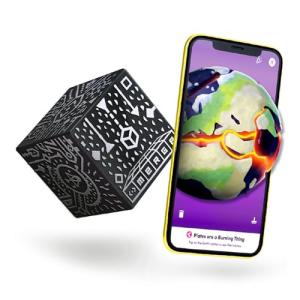
Merge Cube - Interactive Augmented Reality Learning Tool
Explore, learn, and have fun with this hands-on AR tool that makes learning exciting and engaging
Product information
$29.99
Product Review Score
4.26 out of 5 stars
44 reviewsProduct links
Engaging Learners with Immersive Experiences
Virtual Reality for Training is changing the game when it comes to learning. Instead of sitting in a classroom or staring at a screen, learners can dive right into an immersive environment. This hands-on approach keeps things exciting and helps information stick better. Imagine being in the middle of a virtual factory, practicing machinery operation without any risk. It’s like being on a set of a sci-fi movie, but you’re the one in control!
One of the coolest parts of using Virtual Reality for Training is how it caters to different learning styles. Whether you’re a visual learner who thrives on seeing things firsthand or a tactile learner who needs to touch and interact, VR has something for everyone. This means that companies and educators can meet the needs of their trainees in a way that traditional methods just can’t match.
VR also makes it super easy to repeat training until you really get the hang of it. You can revisit those challenging scenarios again and again, so you feel confident when it’s time to put your skills to the test in the real world. Plus, this type of training is adaptable. With interactive simulations, users can experience various situations, making them ready for anything that comes their way.
Finally, let’s talk about engagement. Learning sticks better when it’s fun! With Virtual Reality for Training, learners are active participants, not passive observers. This keeps them motivated and sharpens their focus. When training is engaging, it’s a win-win for everyone involved. From improving retention rates to making sessions memorable, VR is definitely a game changer in the training landscape.
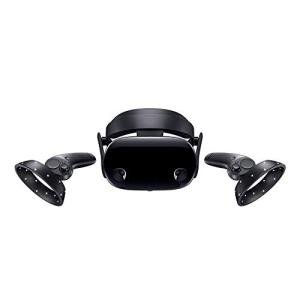
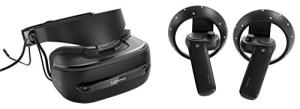
SAMSUNG HMD Odyssey+ Mixed Reality Headset with Controllers
Experience immersive gaming and stunning visuals with the Samsung HMD Odyssey Plus and its easy-to-use controllers
Product information
$499.99 $196.32
Product Review Score
4.29 out of 5 stars
46 reviewsProduct links
Real World Applications of VR Training
Virtual Reality for Training is changing the game in so many ways. It’s not just about gaming anymore; industries are embracing this technology to boost learning. Think about it: people in fields like healthcare, aviation, and construction can now practice their skills in a safe virtual world. This means they gain hands-on experience without the risks associated with real-life training.
Take healthcare, for example. Medical students can perform virtual surgeries or practice patient interactions. They get to explore scenarios that enhance their skills and build confidence before stepping into a real operating room. This type of immersive training makes a huge difference in preparing them for actual situations.
Aviation is another area where Virtual Reality for Training truly shines. Pilots can simulate flying in different weather conditions or emergencies, without ever leaving the ground. This level of preparedness is essential for their safety and the safety of passengers. It’s all about creating realistic scenarios that help them respond effectively when they're in the cockpit for real.
Even corporate training gets a boost with VR. Employees can go through customer service scenarios or management training in a way that feels almost like real life. This engagement leads to better retention of information and makes training sessions less of a chore. Plus, it can save companies money since they won't need to set up expensive in-person training events.
Overall, Virtual Reality for Training is a powerful tool that brings learning to life. It makes training more effective, engaging, and tailored to individual needs. Whether it’s practicing surgical techniques or handling customer complaints, VR is taking the training experience to a whole new level.