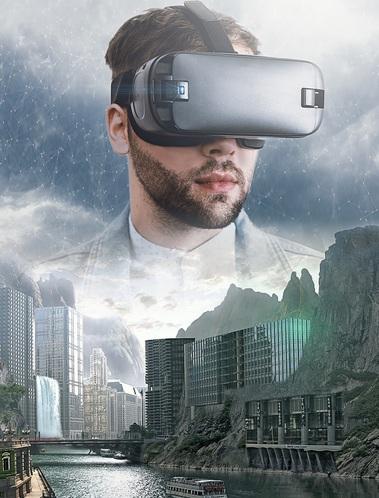
Virtual Reality Training brings a whole new level of excitement and effectiveness to learning. Imagine stepping into a lifelike environment where you can practice skills without the real-world risks. That's exactly what VR training offers. It allows you to dive into scenarios that help you learn faster and retain information better.
One of the biggest perks of Virtual Reality Training is the ability to repeat scenarios as many times as you need. Whether you're mastering surgery techniques, emergency response, or complex machinery operation, you can practice until you’re fully confident. Plus, it’s way less stressful than those high-stakes real-life situations.
Another benefit is the immersive experience. When you’re fully engaged, learning becomes much easier. With Virtual Reality Training, you’ll feel like you’re really there, which helps you focus and absorb information. The 3D visuals and interactive elements just make everything stick in your mind longer.
Cost-saving is a bonus, too. Traditional training often requires expensive materials, travel, and real-world setups. With Virtual Reality Training, you cut down on these costs while still providing effective training. This innovation helps businesses save money while ensuring their employees are well-prepared.
Lastly, Virtual Reality Training can cater to different learning paces. Some people learn best when they're hands-on, while others may prefer to watch first. VR allows for customized experiences that adapt to individual learning styles, making training inclusive for everyone.
How It Works in Different Fields
Virtual Reality Training is making waves in various fields, changing how people learn and develop new skills. By putting learners in immersive environments, it helps them practice real-life scenarios without any real-world risk. Let’s dive into a few sectors where this technology shines.
In healthcare, Virtual Reality Training allows medical students and professionals to hone their skills in a safe space. They can practice surgeries, diagnose conditions, and interact with virtual patients. This hands-on experience sharpens their decision-making abilities and boosts confidence before they ever step into a real operating room.
The construction industry is also benefiting from Virtual Reality Training. Workers can navigate virtual construction sites, learning how to use equipment safely and effectively. They can experience potential hazards and learn safety protocols without the risk of accidents. This type of training helps to create a safer work environment and reduces costly mistakes.
Even the corporate world is jumping on board. Companies use Virtual Reality Training to enhance soft skills like communication, teamwork, and problem-solving. Employees can engage in realistic scenarios that mimic their work challenges. This boosts their abilities and prepares them for real-life situations, leading to a more effective and cohesive team.
Virtual Reality Training isn’t just a trend—it’s a game-changer across industries. By providing a safe and engaging way to learn, it equips individuals with the skills they need to succeed in their fields. Whether in healthcare or corporate training, the impact is huge.
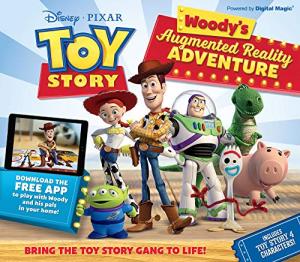
Woody's Augmented Reality Adventure with Toy Story Gang
Join Woody and the Toy Story gang for an unforgettable interactive experience that brings your favorite characters to life
Product information
$14.95 $5.39
Product Review Score
4.95 out of 5 stars
147 reviewsProduct links
Real World Examples of VR Training
Virtual Reality Training is not just a trendy buzzword; it’s changing the game in so many industries. Picture this: pilots training in a fully immersive environment, simulating every possible scenario without ever leaving the ground. They can practice everything from emergency landings to navigating through bad weather, and they do it all safely. That’s the power of VR!
In healthcare, Virtual Reality Training is revolutionizing how medical professionals learn and practice. Surgeons can enter a virtual operating room and hone their skills on lifelike simulations. They can make mistakes without any real-world consequences, refining their techniques until they’re perfect. It’s like having an endless training ground where the stakes are low, but the learning is high.
Let’s not forget about the construction industry. Workers can step into a VR simulation of a job site, getting a feel for the layout and safety protocols before they even break ground. This kind of training boosts confidence and helps prevent accidents by familiarizing everyone with the environment. Plus, it saves time and money on actual training before the real work begins.
Retail is getting a VR upgrade too. Imagine employees practicing their customer service skills in a virtual store. They can interact with virtual customers and handle various scenarios, from upselling to dealing with difficult situations. This hands-on practice makes them more prepared and capable when they hit the sales floor for real.
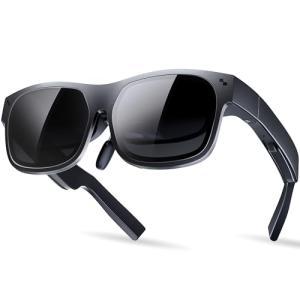
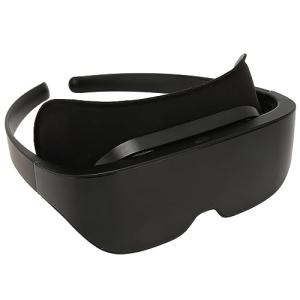
Smart AR Glasses with 201-Inch Virtual Theater
Experience your favorite movies and games like never before with stunning visuals and immersive sound
Product information
$399.98
Product Review Score
4.75 out of 5 stars
83 reviewsProduct links
Getting Started with VR Training Tools
If you're ready to explore the exciting world of Virtual Reality Training, you're in for a treat! Setting up your VR training tools can feel a bit daunting, but it doesn’t have to be. Let’s break it down into easy steps so you can dive right in.
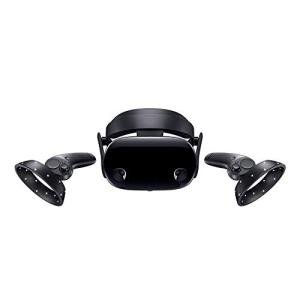
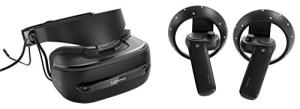
First off, make sure you have the right gear. Depending on your training needs, you'll want a solid VR headset. Options like the Oculus Quest 2 or HTC Vive provide immersive experiences and have tons of training apps available. Comfortable controllers will also enhance your experience, allowing you to interact naturally with virtual environments.
Once you've got your headset, it’s time to pick your training software. Look for programs designed specifically for your field—be it healthcare, manufacturing, or any area you want to improve skills in. Many platforms offer interactive lessons, simulations, and even assessments to track your progress in real-time.
Don’t forget to create a dedicated space for your VR training. Clear out some room to move around safely without bumping into furniture. Setting up a comfortable area with good lighting can really enhance your experience. Remember, the key to effective Virtual Reality Training is to be as engaged as possible!
Lastly, practice makes perfect. Start with short sessions, get familiar with the controls, and gradually increase the intensity of your training. You'll be amazed at how quickly you can build your skills using Virtual Reality Training! Enjoy the journey and have fun with it!